CMS Scientific Body Adopts Work Programme to Address Threats to Migratory Species

Following two weeks of global meetings held entirely online, the scientific body of the Convention on the Conservation of Migratory Species of Wild Animals (CMS) agreed on a wide-ranging series of actions to address growing threats to migratory species. Among the key outcomes, the Committee agreed: To create an expert working group on migratory species […]
IWC Publish Scientific Meeting Annual Report 2021
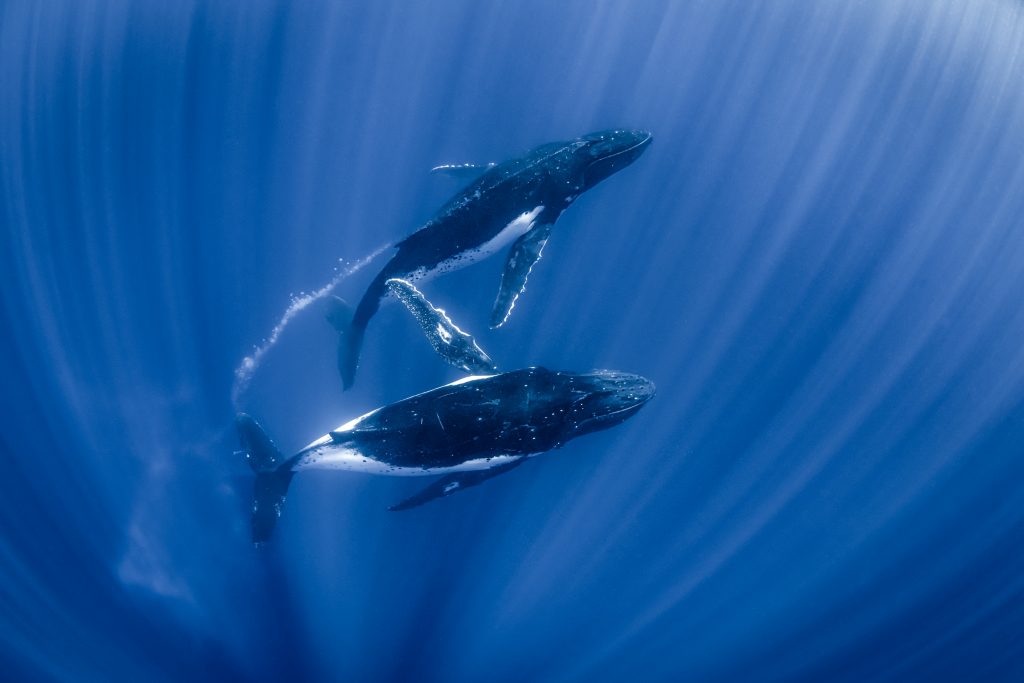
The IWC Scientific Committee published the report of its annual meeting on 21st June 2021. The Committee brings together leading cetacean scientists from all over the world. It has met every year since 1955 to review relevant research and information, and provide scientific advice to the Commission. In 2020, Covid-19 forced the Committee to make […]
CAR-SPA-RAC launch new species factsheets
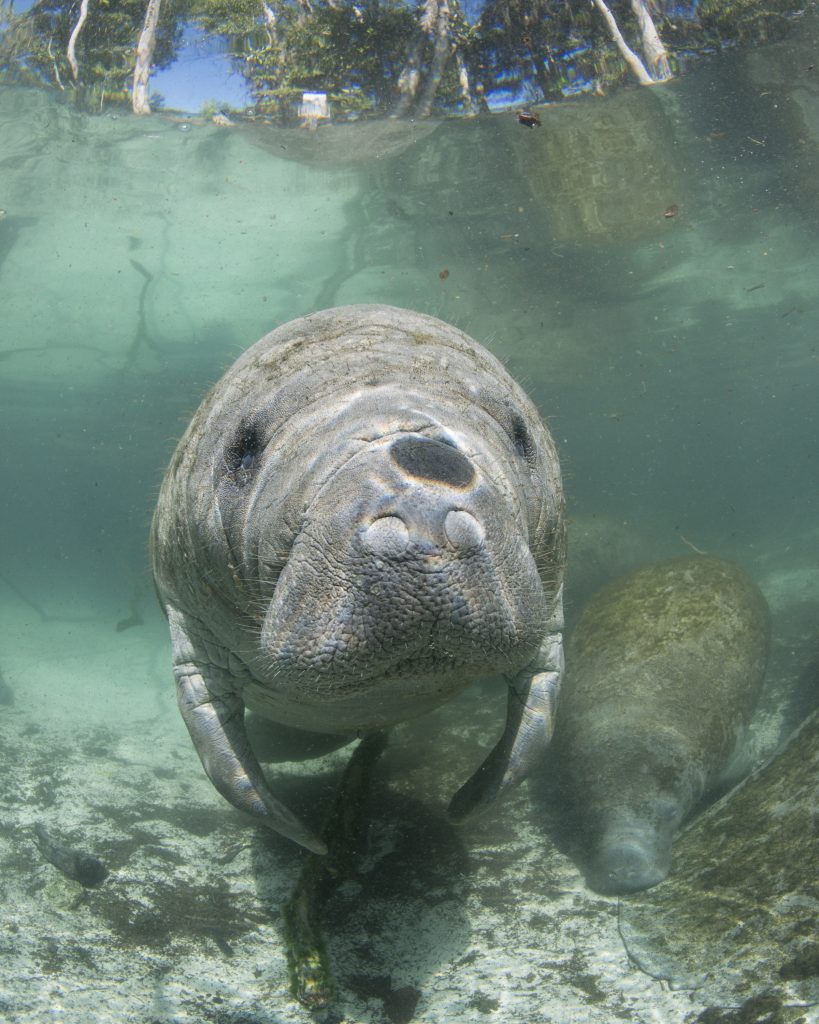
CAR-SPA-RAC, to supplement the CARI’MAM project, have launched new species factsheets to support the discovery, management and observation of marine mammals in the Wider Caribbean Region (WCR). The WCR hosts a highly diversified community of marine mammals, with more than 35 species currently identified. The conservation status of these species varies but some have been […]
Status of National Legislation on Marine Mammals in the Wider Caribbean Region

The Wider Caribbean Region hosts a highly diversified community of marine mammals, with more than 35 species currently identified. Marine mammals are protected species in many countries and through international regulations, especially in the Greater Caribbean Region, since they are all protected under Annex II of the SPAW protocol. To obtain updated data on the […]
CAR-SPAW-RAC launch new Marine Mammals of the Caribbean website
We have had a challenging 12 months in the Ocean Governance for MPA managers project especially in light of the previously unforeseen restrictions the COVID-19 pandemic has placed on us. However, we are pleased to say that the project has been making good progress using highly adaptive approaches, focusing on virtual meetings and extensive cooperation with local partner and stakeholder networks.
The Ocean Governance project’s website is now live
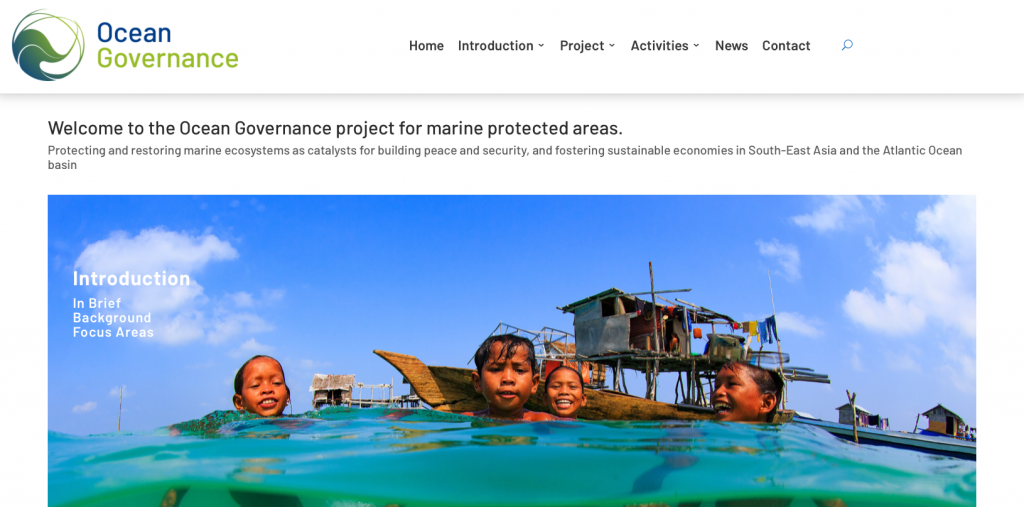
We have had a challenging 12 months in the Ocean Governance for MPA managers project especially in light of the previously unforeseen restrictions the COVID-19 pandemic has placed on us. However, we are pleased to say that the project has been making good progress using highly adaptive approaches, focusing on virtual meetings and extensive cooperation with local partner and stakeholder networks.
First Ocean Governance Project Newsletter May 2021
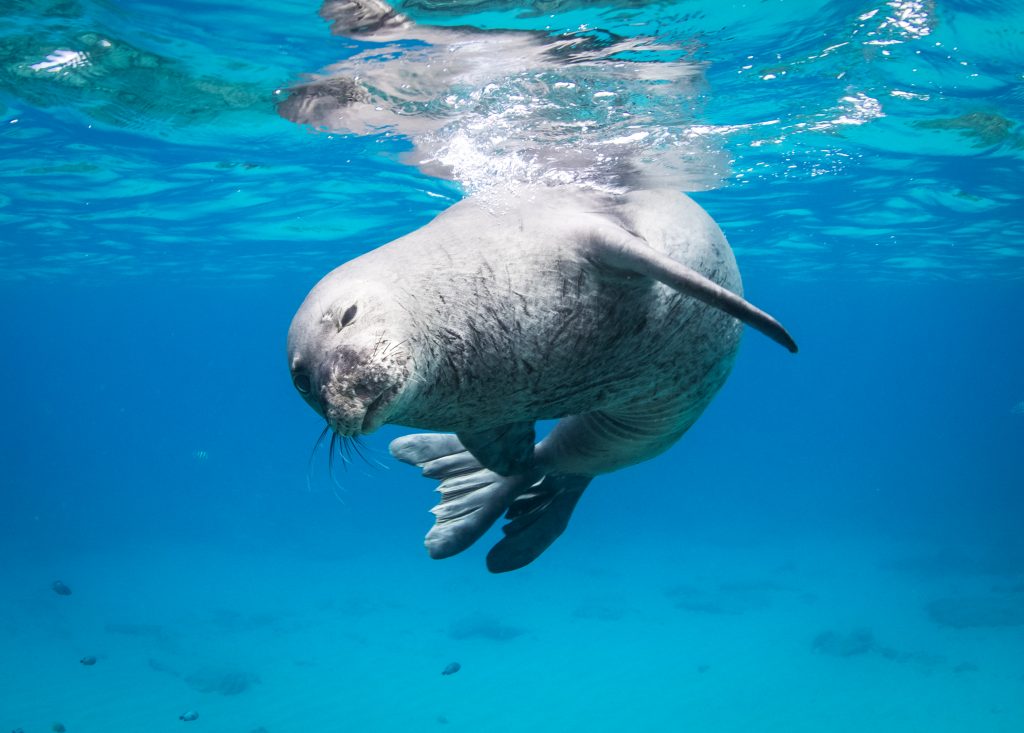
We have had a challenging 12 months in the Ocean Governance for MPA managers project especially in light of the previously unforeseen restrictions the COVID-19 pandemic has placed on us. However, we are pleased to say that the project has been making good progress using highly adaptive approaches, focusing on virtual meetings and extensive cooperation with local partner and stakeholder networks.
Seeing Below the Surface Webinar May 2021
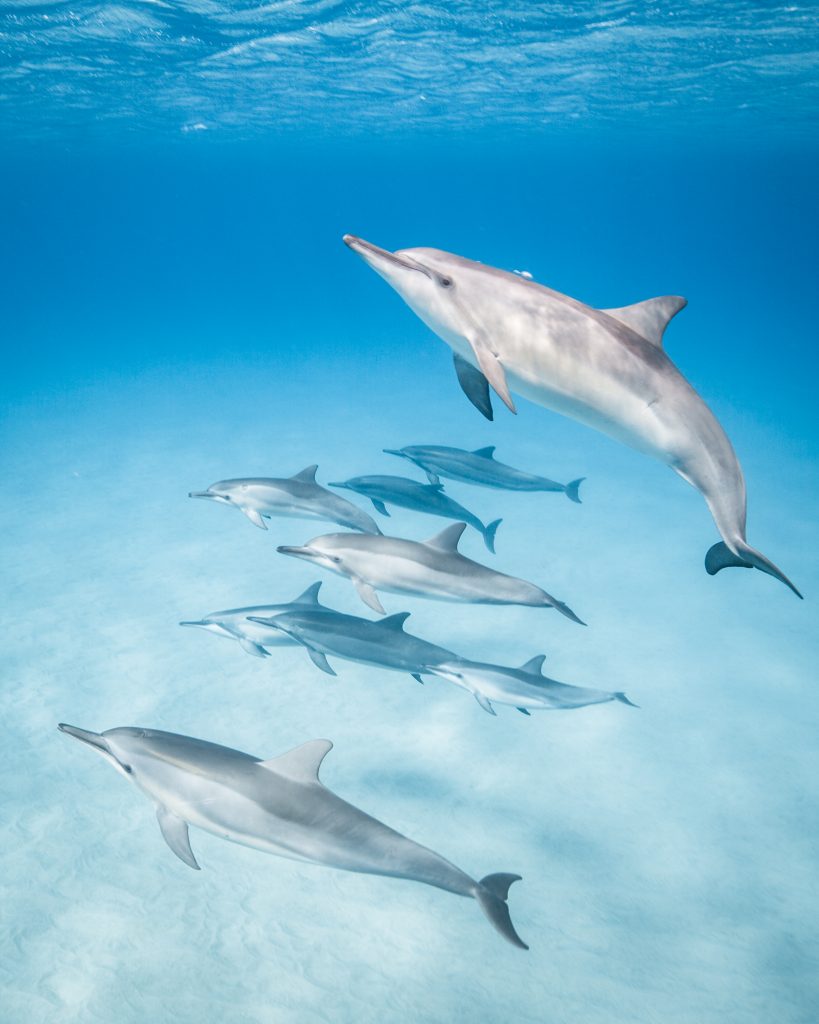
Advances in biologging technology have allowed researchers the ability to quantify the underwater movements and behaviors of marine mammals in novel ways. By incorporating motion sensors with remote, concurrent oceanographic sampling, the ability to contextualize the foraging behavior and performance of marine mammals can now be accomplished.
Births among right whales highest since 2015

North Atlantic right whales gave birth over the winter in greater numbers than scientists have seen since 2015, an encouraging sign for researchers who became alarmed three years ago when the critically endangered species produced no known offspring at all.
The Second World Ocean Assessment
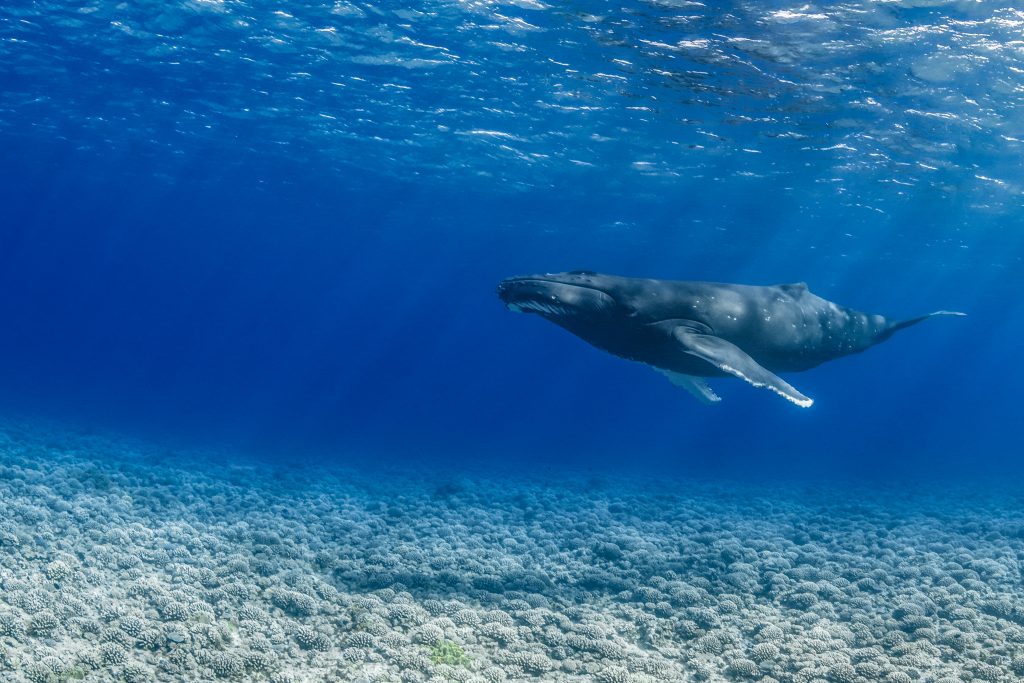
The United Nations released The Second World Ocean Assessment (WOA II) that forms the major output of the second cycle of the Regular Process for Global Reporting and Assessment of the States of the Marine Environment. It is the newest outcome of the only integrated assessment of the World’s ocean at the global level covering environmental, economic and social aspects.