The Help Desk

Welcome to the Marine Mammals Management Toolkit Help Desk – a central place to assist you with the use, and application of the toolkit.

The Help Desk aims to serve the purpose of supporting your use of the Toolkit, including the Self-Assessment Tool, aiding you to understand which components of the Toolkit to use when and where, and also connecting you with other managers and practitioners within your region(s) that have previously used the Self-Assessment Tool and/or toolkit components to support their work.

On this page you will find links to the following resources:

  1. Online Tutorial Modules including how the use the SAT and interpretation your results;
  2. Frequently Asked Questions;
  3. “Which component of the Toolkit should I use?” Flowchart;
  4. Why you should share your SAT data; and
  5. How to share your SAT data.
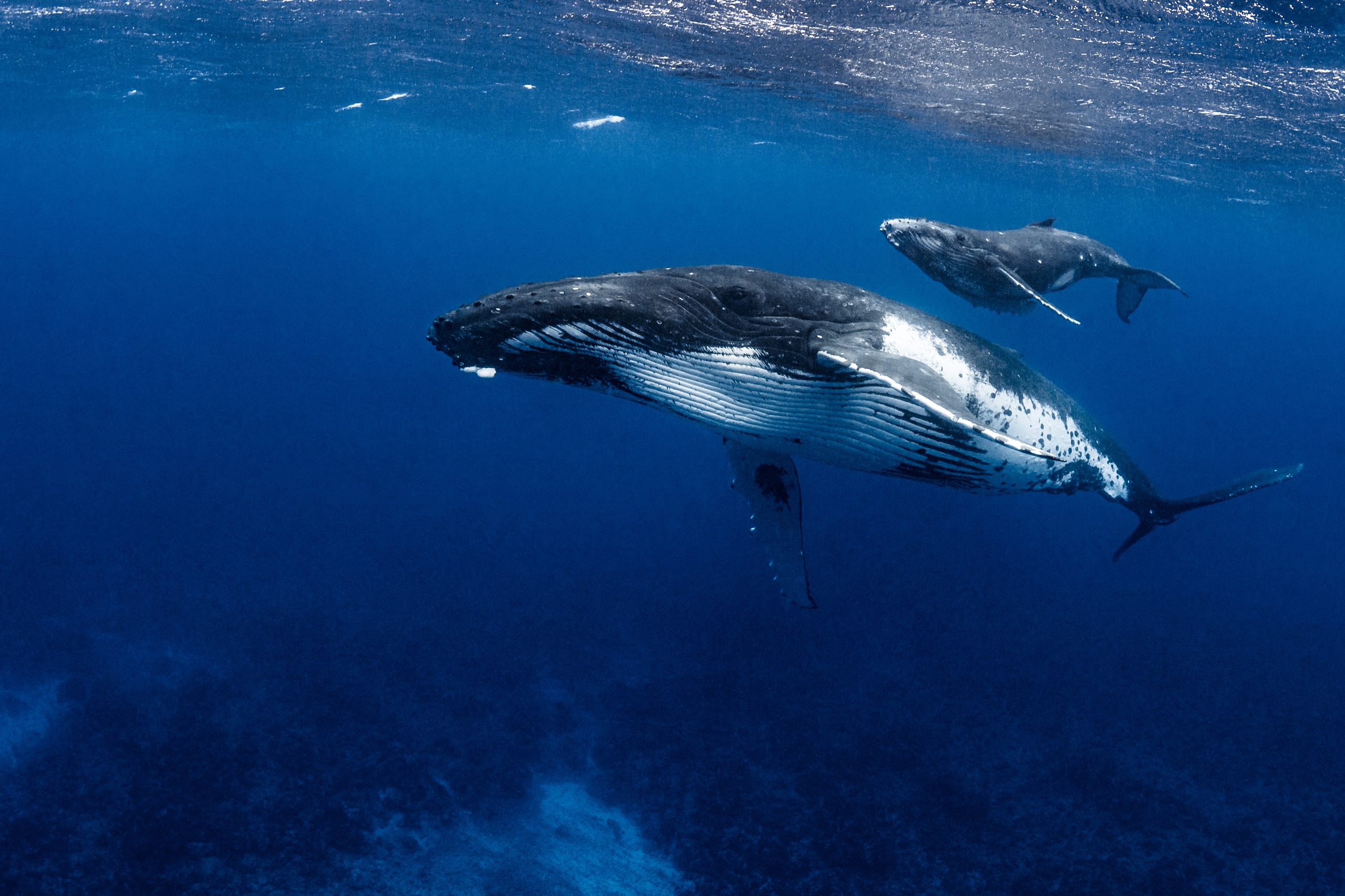
Whales © Hannes Klostermann

Help Desk Components

1. Online Tutorial Modules
The Online Tutorial provides guidance on the use of the Marine Mammals Management Toolkit and the Self-Assessment Tool. The online tutorial is separated into modules (videos) which will tackle different aspects of the Toolkit, whilst providing a deeper understanding of the multi-faceted applications of the Toolkit.
 Watch Now

2. Frequently Asked Questions
The Frequently Asked Questions, or FAQs, have been derived to address common questions that users of the Toolkit and SAT face. The FAQs are not designed to be holistic and cover all possible challenges but if there are questions not addressed on the FAQs, Toolkit users are encouraged to contact us.Read the Questions

3. The FlowchartThe flowchart has been designed to aid MPA managers and practitioners through the functioning of the Toolkit and the existing links between the factsheets, Self-assessment tool, good practices, and the Community of Practice.
Through prompts, the flowchart guides the user through the Toolkit, providing options and next steps depending on the SAT results.
Download

4. Why You Should Share Your SAT DataWe invite you to contribute to the continual strengthening of the Marine Mammals Management Toolkit as a ‘data contributor’ for the production of high-level data analyses to support other managers, policy makers and practitioners for the effective conservation of marine mammals.
Find out more about what it means to be a Data Contributor, how your data will be used and what allowances can you provide during data submission.Download (.pdf)

5. How to Share Your SAT Data
Once you’ve decided to share your SAT data for global analysis and further technical support, it’s important to understand the sharing process.
Your data can be submitted through the specific data sharing form or alternatively, via email to ocean-governance@biodiv-conseil.frSubmit Your Data

Still Need Help?
Still need help with the use and application of the Toolkit or SAT? Reach out to the Twinning team for further support!
 Send a message

The Toolkit Experts – Here to Help

Should you have any questions on using the SAT, or interpreting your results, you can always contact our experts including protected area managers and Toolkit developers. Please note that your questions, will be forwarded to the experts.

Ben Haskell


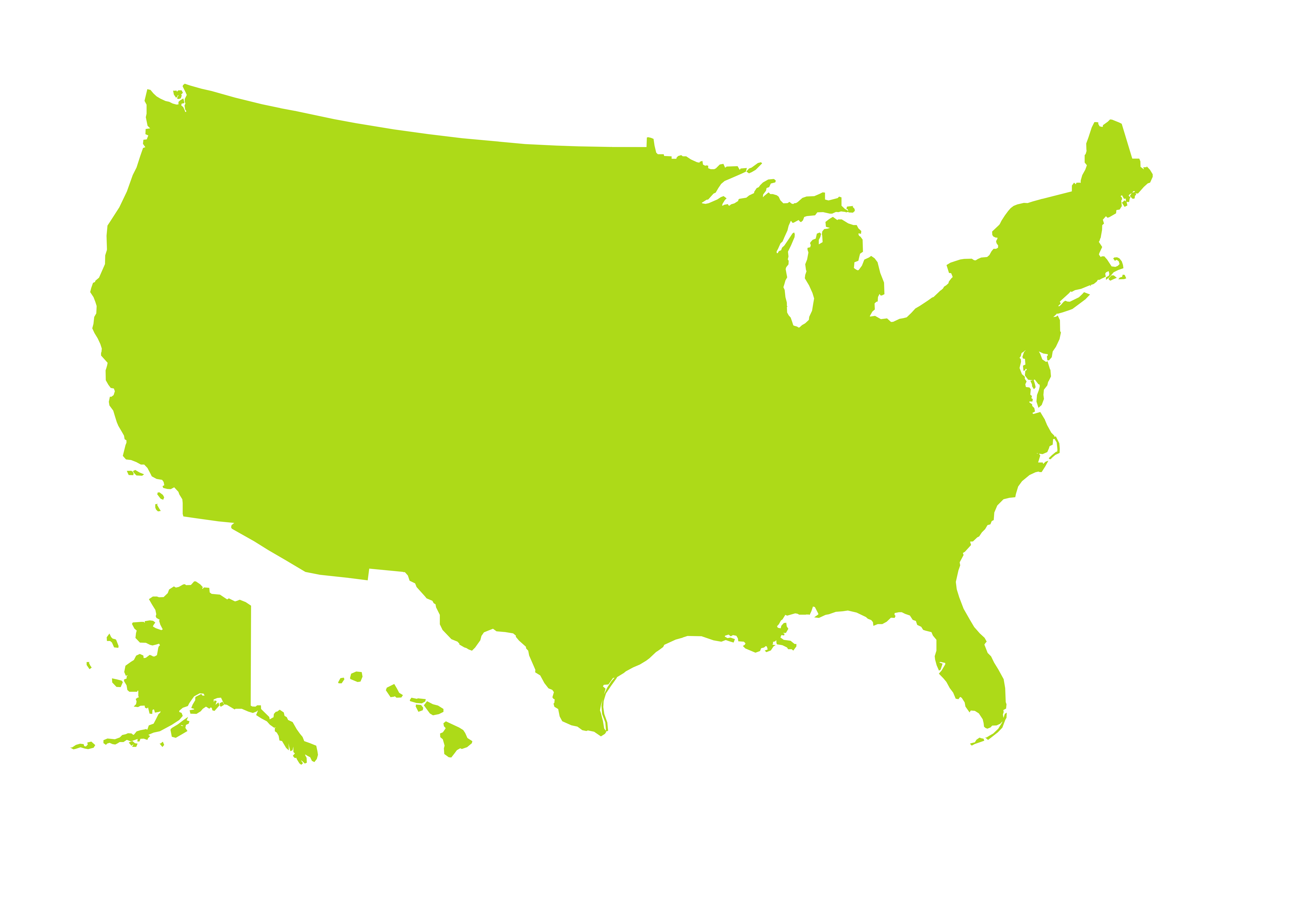
North America

Deputy Superintendent, Stellwagen Bank National Marine Sanctuary

Ben Haskell

Benjamin Haskell has been with NOAA since 1993 working to protect special ocean places such as Florida Keys National Marine Sanctuary and now Stellwagen Bank, where he currently serves as deputy superintendent. His responsibilities include facilities and vessel management, maritime heritage management, enforcement coordination, planning, diving, and sister sanctuary coordination. Prior to coming to the Stellwagen Bank sanctuary, he served as the science coordinator for Florida Keys National Marine Sanctuary from 1995 to 2000. He played a pivotal role in the establishment of the Tortugas Ecological Reserve. Prior to his positions at NOAA, he worked at a variety of marine labs on the East Coast and co-authored a book on ecosystem health. He received his master’s degree in marine and coastal policy from the University of Maryland in 1997 and a bachelor’s degree from College of the Atlantic in 1984.
Email

Sarah Manuel


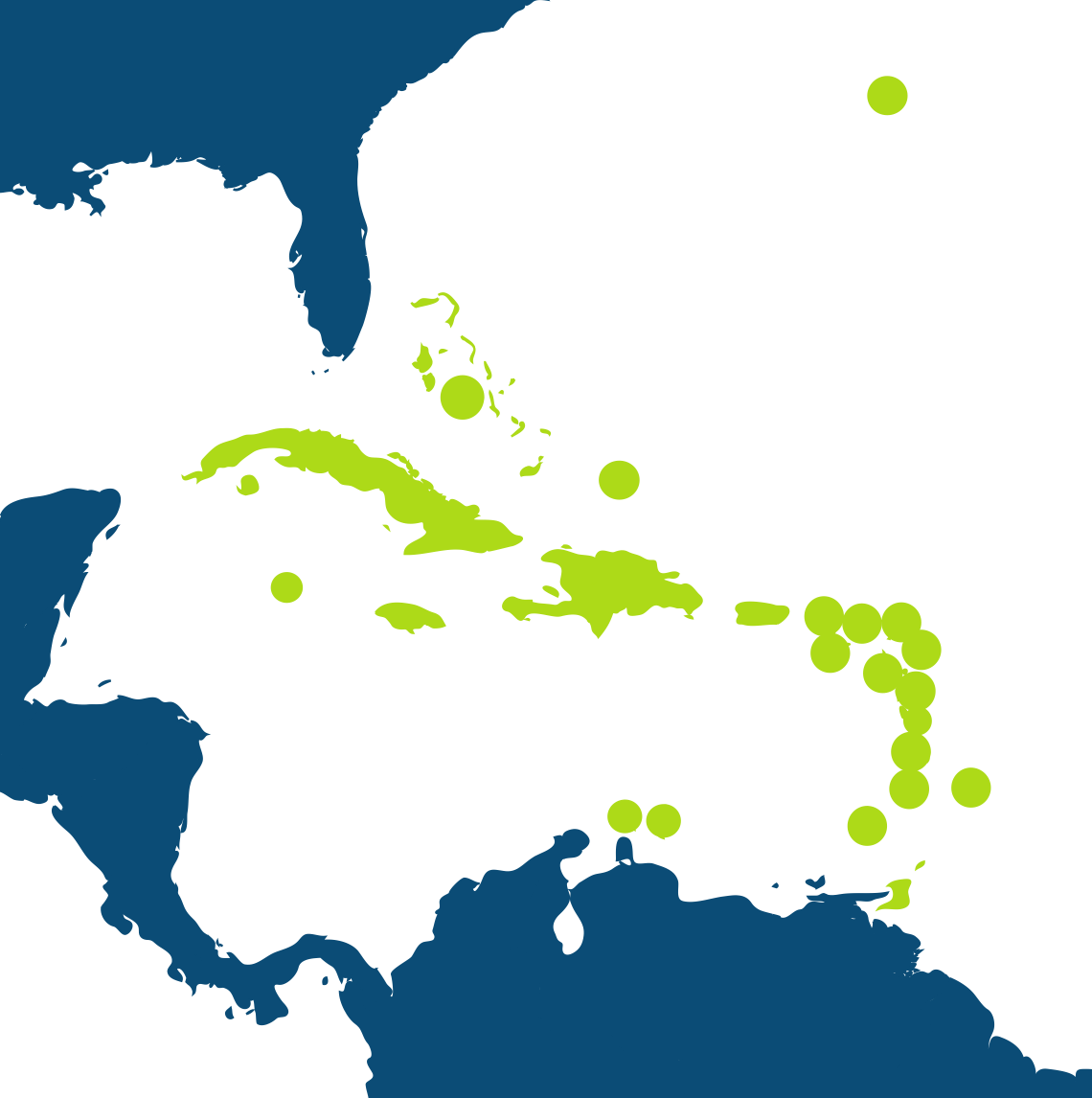
Caribbean

Senior Marine Conservation Officer, Department of Environment and Natural Resources, Government of Bermuda

Sarah Manuel

Sarah Manue, Department of Environment and Natural Resources, Government of Bermuda, has been a partner of the project since 2016, and has seen the development of the Toolkit to its current status. As such, Sarah has a high-degree of knowledge an understanding around its application, how to utilise all the components of the Toolkit to guide management decisions and using the Self-Assessment Tool to develop Marine Spatial Plans.
In 2019, the Bermudan Government aimed to develop a Marine Spatial Plan for the country’s EEZ, previously declared as the Bermuda Marine Mammals Sanctuary. Through this process, Sarah applied the Self-Assessment Tool to determine the effectiveness of existing legislation and policies for the EEZ’s management within the context of marine mammals.
Email
Cecile Cicquel


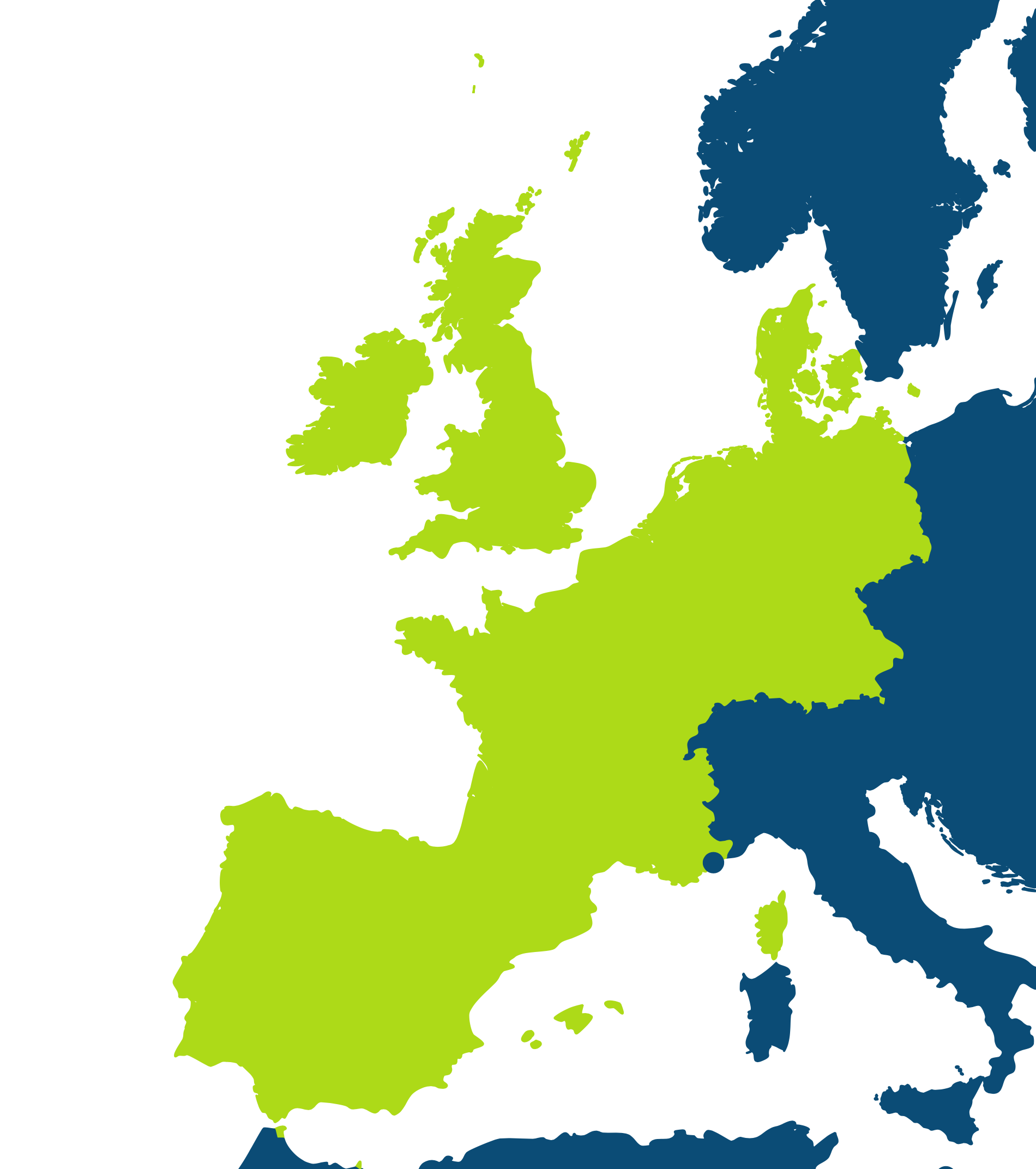
Western Europe

Natural heritage and protected areas project coordinator – Iroise Marine Natural Park at the French Office for Biodiversity


French speaking

Cecile Cicquel

Cécile Gicquel, is in charge of the natural heritage of the Iroise Natural Marine Park, who have been a long-standing Partner of the Marine Mammals Management Toolkit.
Cécile has been integral to the development of the Self-Assessment Tool, the SAT-LITE and the wider Toolkit, and has applied the Self-Assessment Tool in the development of the Iroise Natural Marine Park’s management plan. The Self-Assessment Tool will be subsequently used over a five-year period to re-evaluate the existing plans and the development of future plans.
Cécile is able to provide support and guidance on the use of the Toolkit within European and Atlantic waters, and speaks both French (Native) and English.
Email

Francis Staub


Global

Core Expert & Toolkit Developer

Francis Staub

Francis has been working for more than 20 years in terrestrial, coastal and marine resources including international cooperation projects development, implementation and evaluation worldwide. Francis also has strong experience in Marine Protected Areas and developed several tools to evaluate their effectiveness with an understanding of international negotiations while developing a strong global network with the international marine community. He also works closely regarding on-the-ground realities faced by the – marine – protected managers and other stakeholders, hence developing a comprehensive vision of the local communities and governmental policies toward marine protection in various part of the world. Francis was the core expert of the team who developed the Marine mammals Management Toolkit.
Email

Tom Dallison


Global

Self-Assessment Tool Developer

Tom Dallison

Tom’s experience is centred around science and conservation action, developing and delivering international conservation projects for the protection, restoration and sustainable use of marine ecosystems and the marine environment, including marine protected areas and marine mammals. Working alongside stakeholders and resource managers, Tom has designed, and advised on, real-time solutions for the amelioration of ecosystem impacts through international collaborations and multi-lateral workflows. Tom was part of the core team to develop the Self-Assessment Tool.
Email

Still need help?

If, after review of all the resources available at the Help Desk, you would still like assistance or would like to discuss the various components of the Toolkit, we encourage you to contact the Toolkit team. 

This can be achieved through the Contact Us page or via sending an email using the respective buttons below:


Contact Us


Send an Email

Translate this Page