
CARI’MAM Acoustic Survey Video
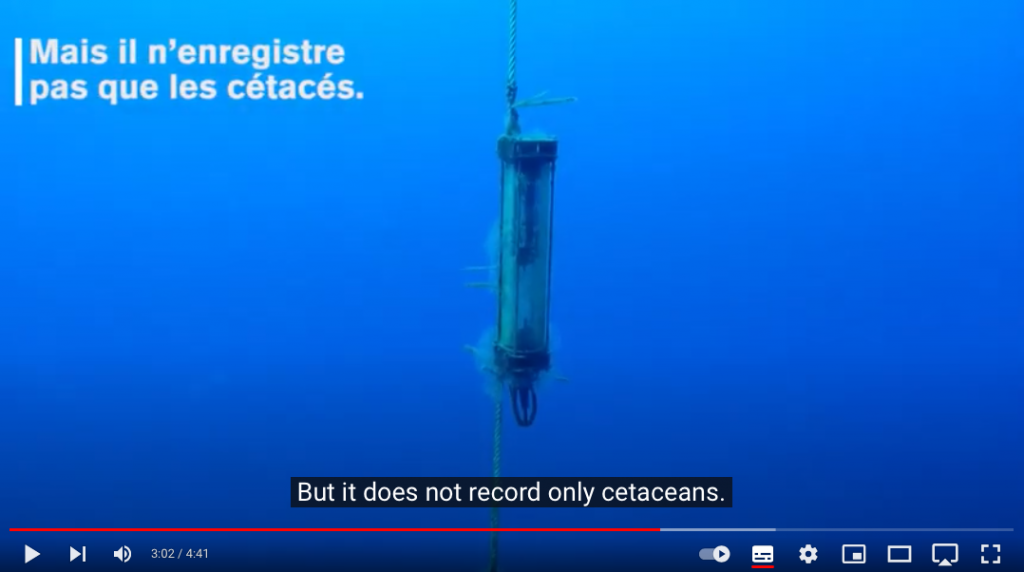
CARI’MAM have released a new video exampling acoustic sampling of Cetaceans in the Caribbean. The <5 minute video provides an insight into the survey methods utilised within the CARI’MAM network, the equipment for acoustic surveys and the process from collecting and analysing the data to utilising the results. Watch below or visit CARI’MAM’s YouTube channel […]
Is humpback song for finding instead of attracting?
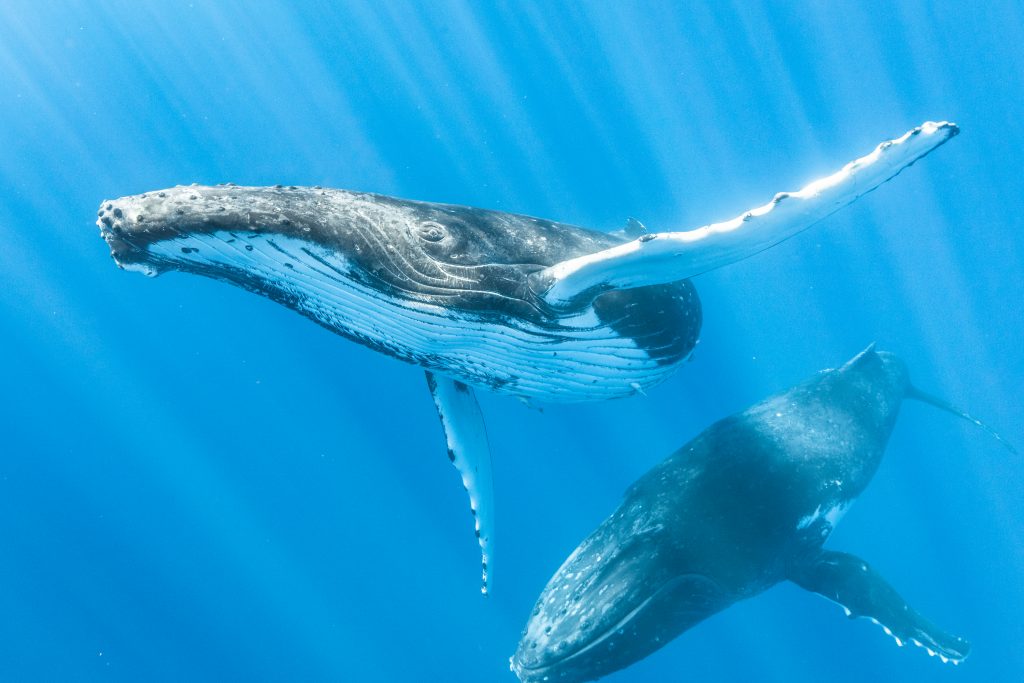
Think of common courtship displays in the animal kingdom, like the flashy display of a peacock’s tail or the treetop melody of a songbird’s tune. Each is relatively constant. The brilliant colors in a male peacock’s plumage do not change during its attempts to attract a female. And songbirds rely on repetition, like top-40 radio […]
New Caspian Sea IMMAs awarded to endangered Caspian seals
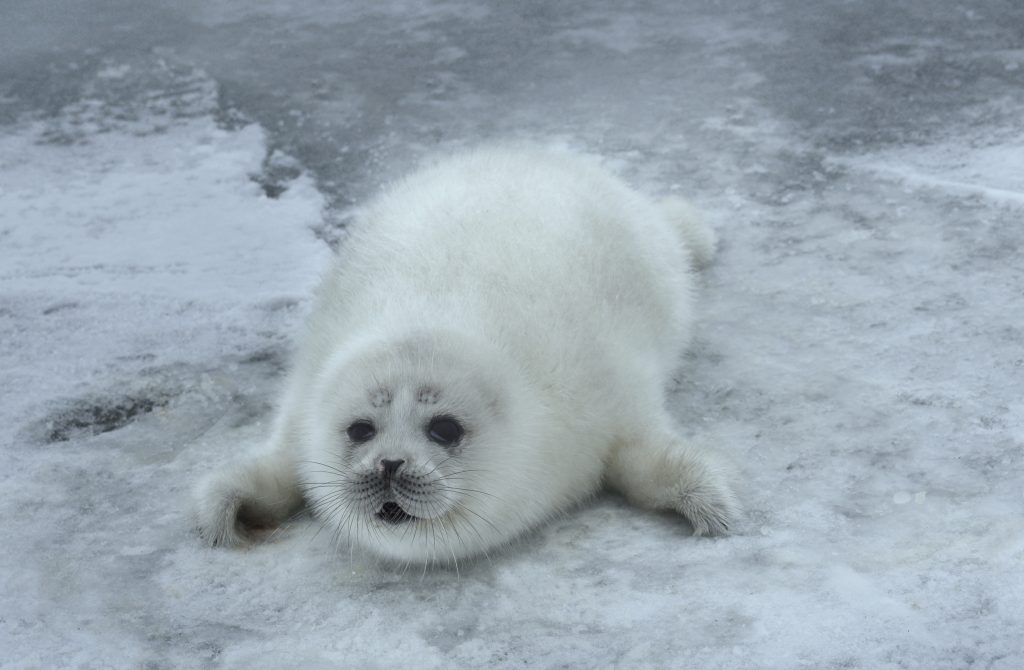
Caspian seals (Pusa caspica) live only in the Caspian Sea — located in western Asia, the largest landlocked waterbody in the world. They have been on the IUCN endangered list since 2008, having declined by more than 70% in the 20th Century, primarily because they have been hunted for their fur and blubber. On the […]
Help build the new management plan for the Stellwagen Bank National Marine Sanctuary
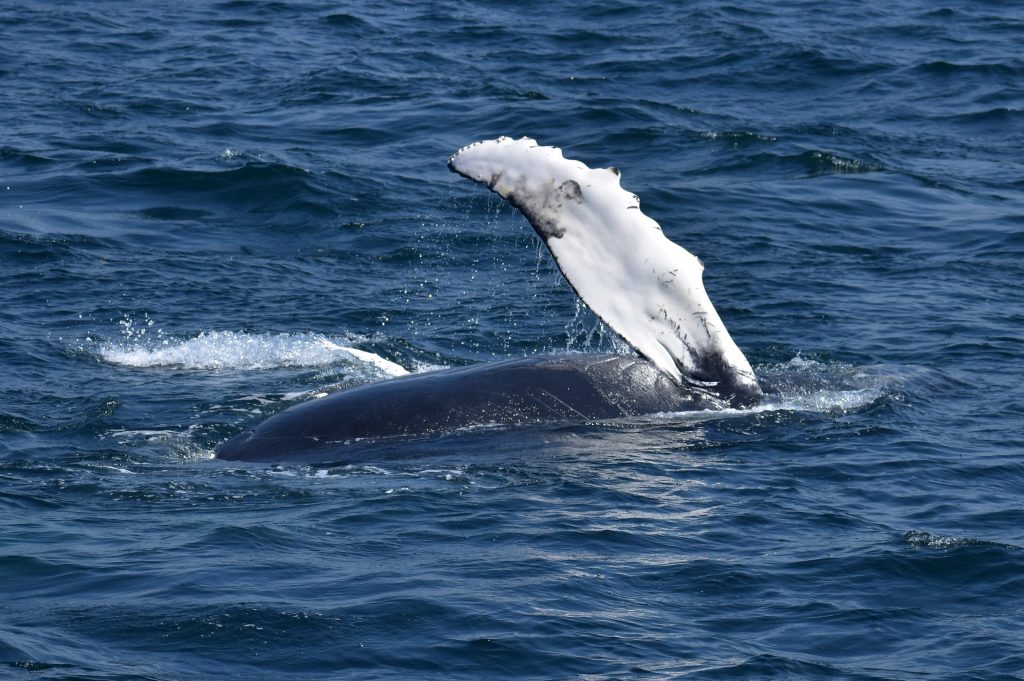
A draft management plan and environmental assessment for Stellwagen Bank National Marine Sanctuary was released on November 30th 2021 by NOAA’s Office of National Marine Sanctuaries. The draft management plan, prepared with input from the Sanctuary Advisory Council and the public, revises the sanctuary’s 2010 management plan. NOAA is accepting comments from the public until January 21st 2022. Stellwagen […]
Baleen Whales’ Immense Influence on Ocean Ecosystems

A group of researchers from Stanford University has published a new paper on prey consumption of baleen whales. Previous studies on prey consumption of large marine animals have used metabolic models. Here, the research group used tags deployed on seven baleen whale species in conjunction with acoustic measurements of prey density to calculate prey consumption at daily to annual […]
New interactive ID resources for marine mammals by CARI’MAM
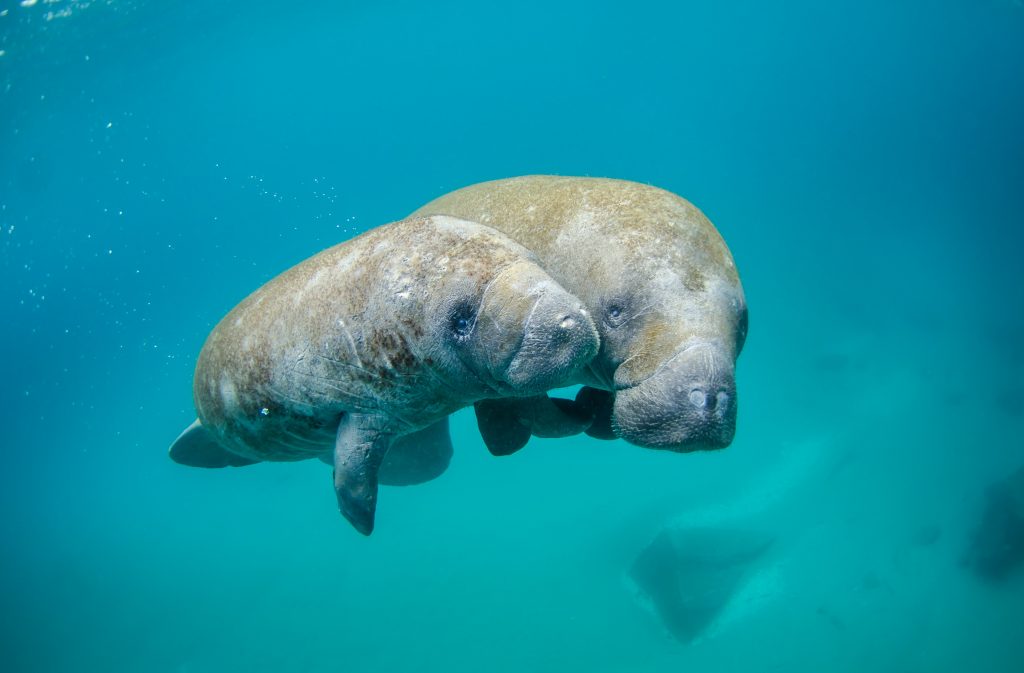
New interactive identification resources for marine mammals have been released as part of the CARI’MAM project. They consist of biological illustrations of the 37 species of marine mammal observed in the Greater Caribbean Region, and interactive 3D images of 10 marine mammals of the Greater Caribbean region, produced by the Agoa Sanctuary. The illustrations can […]
IUCN Motion Adopted to Reduce Impacts of Incidental Capture
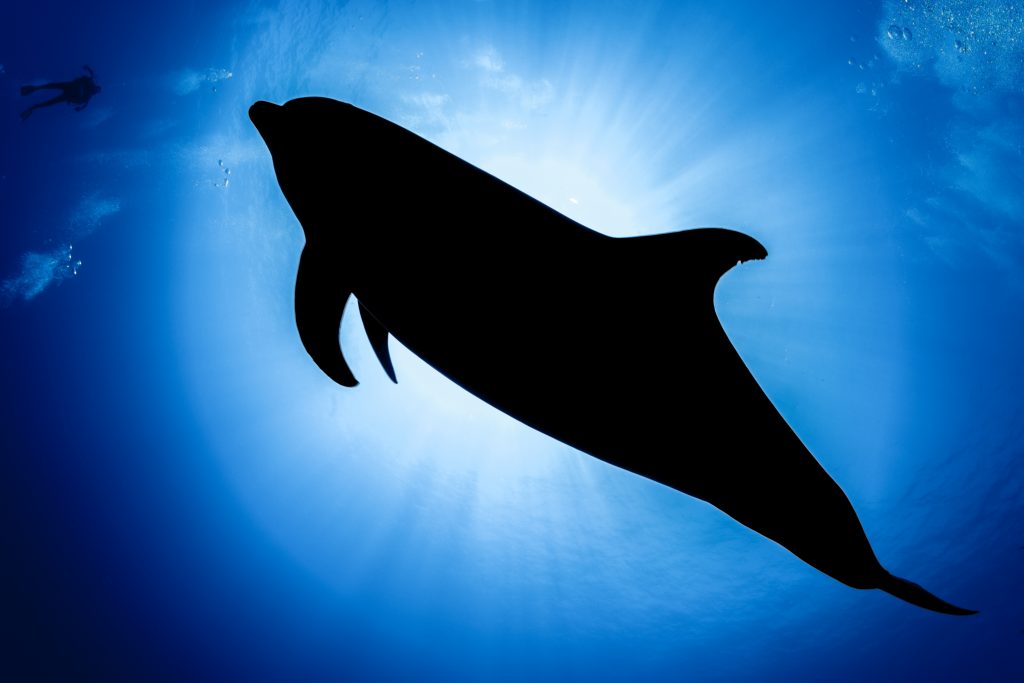
On September 8th 2021, at the IUCN World Conservation Congress, motion 027 – Reducing impacts of incidental capture on threatened marine species– was adopted. The motion calls for, among other things, actions to reduce the bycatch of Endangered, Threatened and Protected (ETP) marine species that is resulting in significant pressure to ETP species. The motion […]
35 Scientists in the Caribbean Issue Call to Action for Marine Mammals
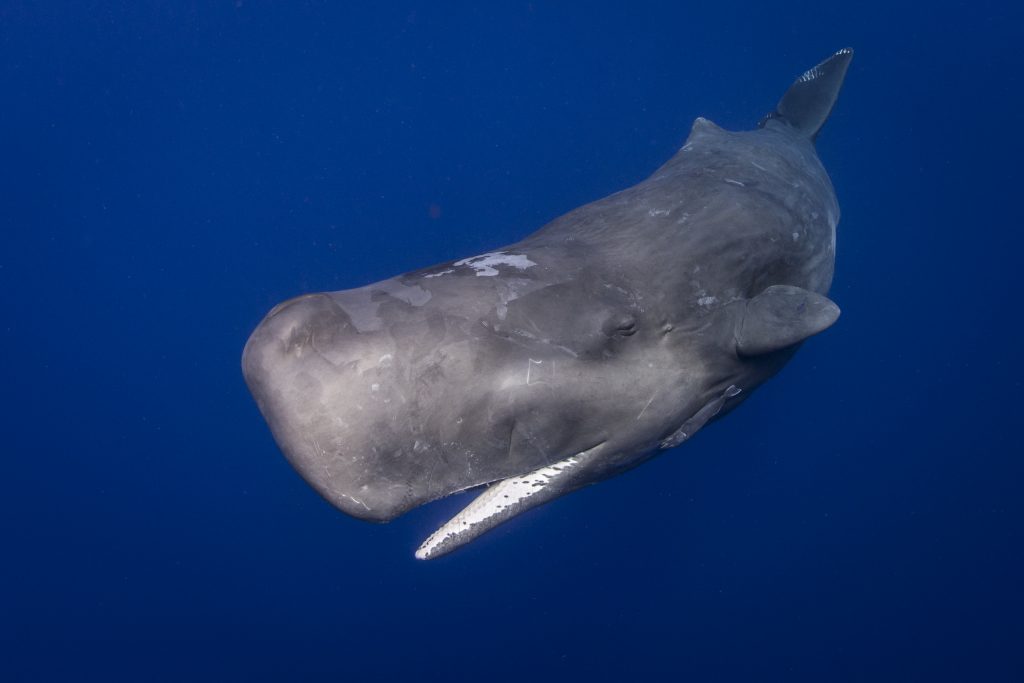
The Greater Caribbean Region includes more than 35 species of marine mammals, one fifth of which are classified as threatened and several as near-threatened, on the Red List of the International Union for Conservation of Nature (IUCN). Only a few decades ago, the monk seal, the only resident seal species in the region, disappeared. Thus, […]
11 New IMMAs named in the Black Sea

Favourite Places in the Black Sea for three threatened dolphin and porpoise species named as Important Marine Mammal Areas — IMMAs 29 October 2021 – On International Black Sea Action Day, 31 October, join us in celebrating Endangered Black Sea harbour porpoises and bottlenose dolphins as well as Vulnerable Black Sea common dolphins. The habitats […]
IUCN announce funding to protect the Critically Endangered North Atlantic Right Whale

“Restoring Ocean Health” was one of the seven main themes at the IUCN World Conservation Congress that came to a close in Marseille last month. The current climate emergency and the future of our oceans are interlinked, as climate change directly affects the oceans’ temperature and pH levels. Changes in water temperature and ocean acidification directly […]