
A genetic study about coastal groups of bottlenose dolphins in Iroise
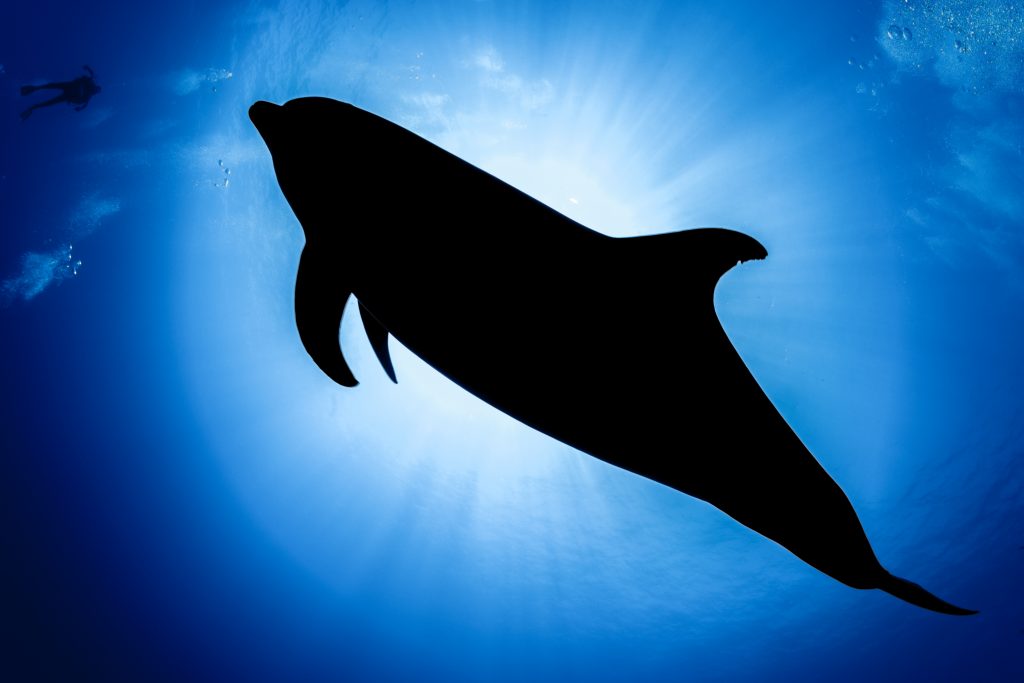
The Iroise Natural Marine Park hosts two coastal groups of bottlenose dolphins (Tursiops truncatus) which are present all year around the island of Sein and the archipelago of Molène. There are only three groups of coastal bottlenose dolphins in mainland France (8 in Europe): two in Iroise and one in the Normand-Breton Gulf. A 4th […]
CETIROISE: Listening to cetaceans in the Iroise Sea
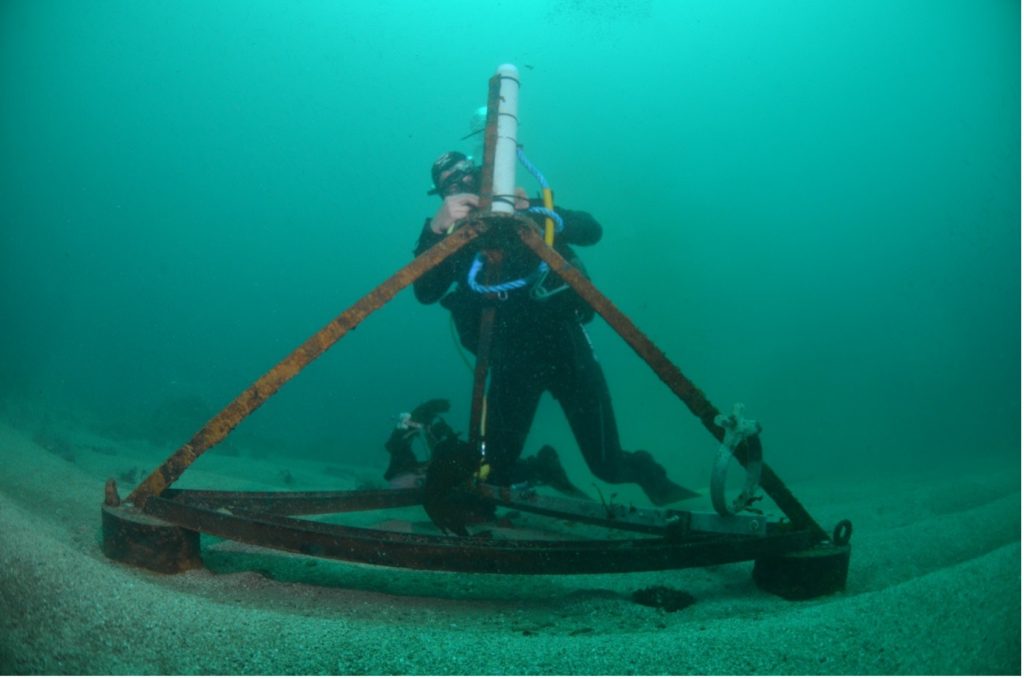
The Iroise Natural Marine Park hosts 2 coastal bottlenose dolphin groups, but is also an important area for other cetacean such as common dolphins, harbour porpoises, fin whales, Risso’s dolphins, pilot whales… These species are threatened by bycatching, disturbances, noise pollution, ship collisions… Knowledge of these species is still difficult to acquire. It is also […]
Considering the effects of maritime industries on marine mammals
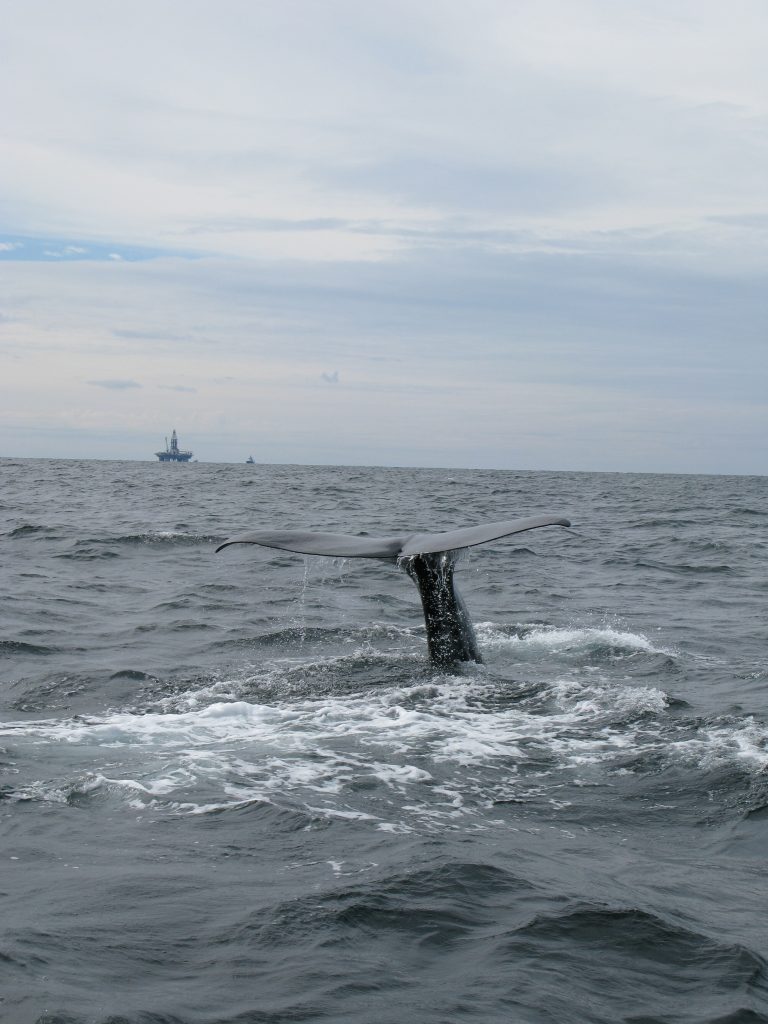
A recent study by Hague et al. has investigated how marine mammals are considered in Cumulative Effects Assessments (CEAs), which are a mandatory step for businesses carrying Environmental Impact Assessments (EIAs). Reviewing 93 different CEAs in across 11 maritime industries, the research identified a knowledge gap in the accounting of marine mammals in CEAs, and […]
A conservation success story for sea lions
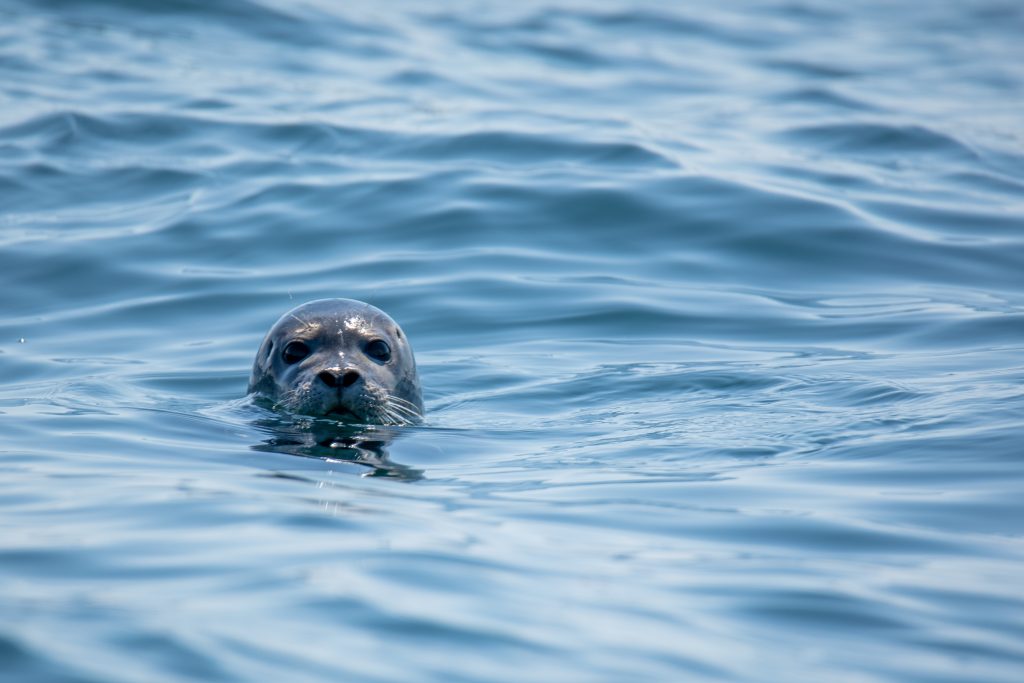
Thanks to a decade long effort by the Australian Marine Conservation Society (AMCS) and Humane Society International (HSI), who collaborated with the government, scientists, and fishers, sea lion bycatch in South Australian fisheries has reduced by 98%. Following a report in 2010 showing that a large number of sea lions were killed in gillnets in […]
Marine Mammals and Renewable Energy
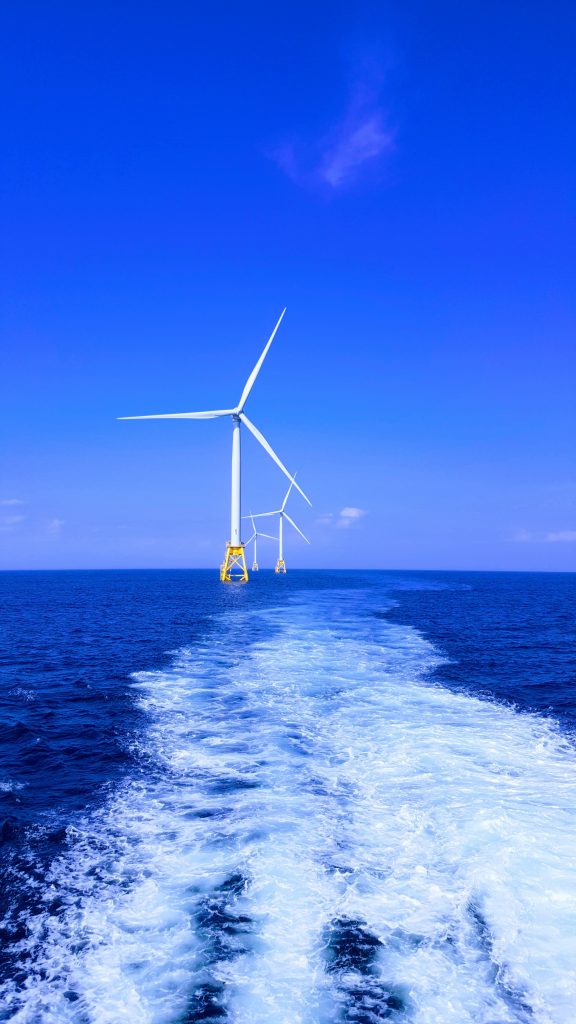
Marine mammals of all sizes are always a welcome sight for visitors to the UK coastline. But while they are abundant in British waters, especially in Scotland, they now face a new challenge: coexisting with offshore renewable energy. In this short report released by the authors from the University of St Andrews Sea Mammal Research […]
New Paper Published on The Important Marine Mammal Area Network
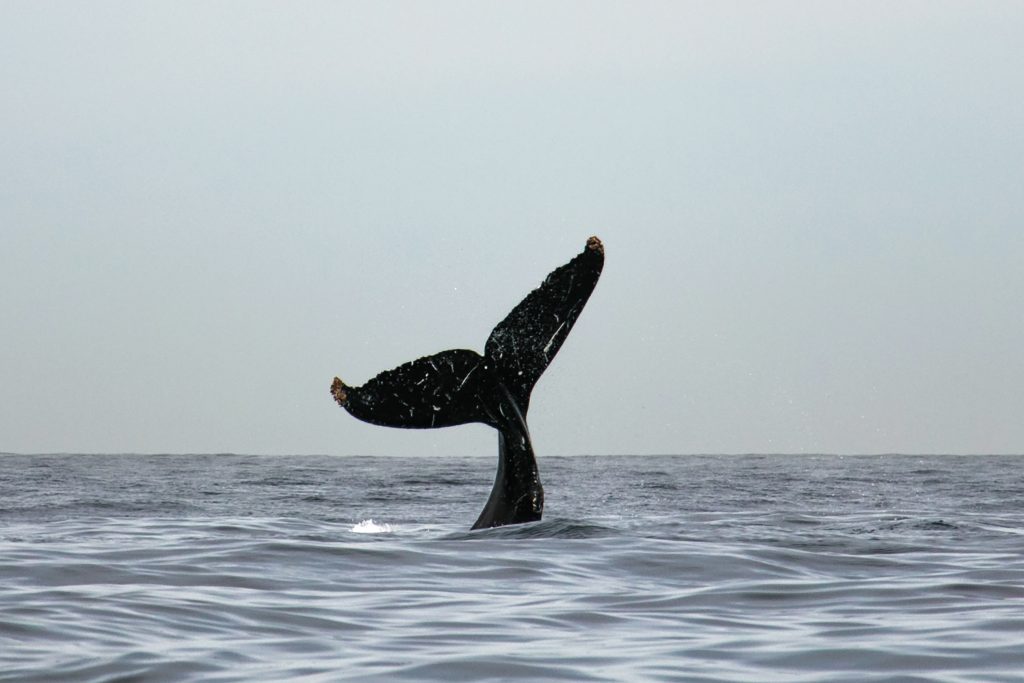
The Important Marine Mammal Areas Secretariat and the IUCN Joint SSC/WCPA Marine Mammal Protected Areas Task Force (MMPATF) are pleased to announce the publication of the following comprehensive paper on the development of Important Marine Mammal Areas (IMMA) in the journal Frontiers in Marine Science. Tetley MJ, Braulik GT, Lanfredi C, Minton G, Panigada S, […]
Webinar: Federal Agency Approaches to Reducing Vessel Strike of Cetaceans

The Marine Mammal Comission is hosting a webinar on approaches to reduce vessel strikes of cetaceans on April 12th 2022. The Commission and Committee of Scientific Advisors will meet to consider actions for reducing vessel strike of large cetaceans. Specifically, meeting participants will review Federal vessel-routing and speed-reduction programs, their elements and effectiveness, identify locations where additional […]
Using drones to detect pregnancy in dolphins
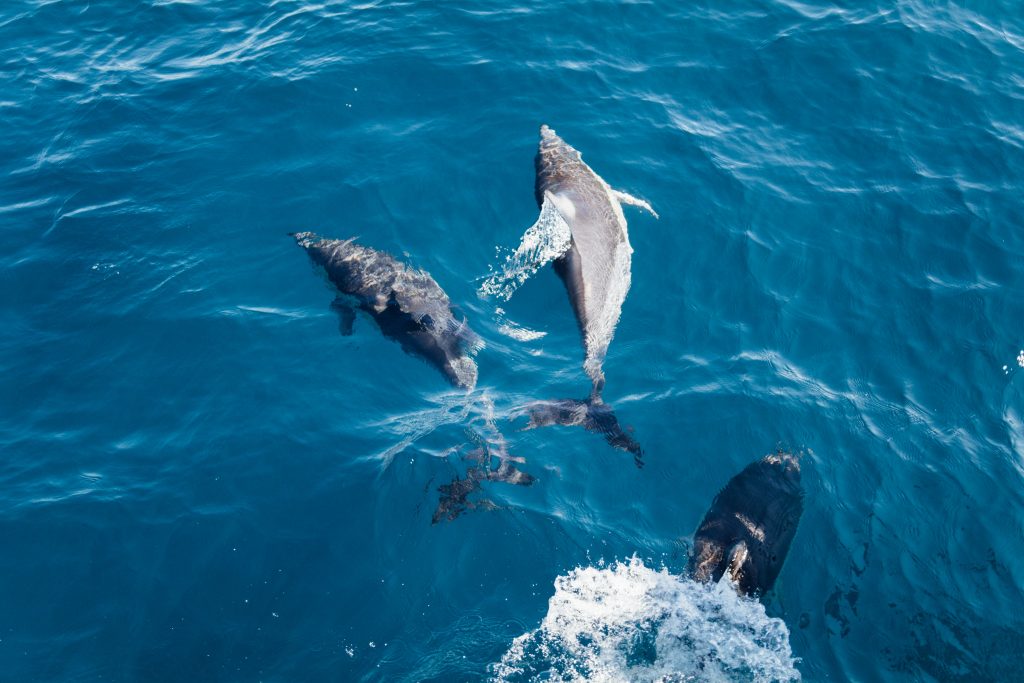
In bottlenose dolphins, a group of scientists have used unoccupied aerial systems (UAS, known as drones), to non-invasively measure body morphometrics of individuals, and have been able to successfully detect pregnancy. The research intended to compare drone imaging with usually used laser photogrammetry to see if it could be used as a substitute, and to […]
Pelagos Agreement release workshop report on ship strikes

The Permanent Secretariat of the Pelagos Agreement has released the final report of the workshop “A Particularly Sensitive Sea Area for the North Western Mediterranean” The Permanent Secretariat of the Pelagos Agreement has released the final report of the workshop “A Particularly Sensitive Sea Area for the North Western Mediterranean”, focusing on ship strikes, co-organised […]
Humpback whales are no longer listed as endangered
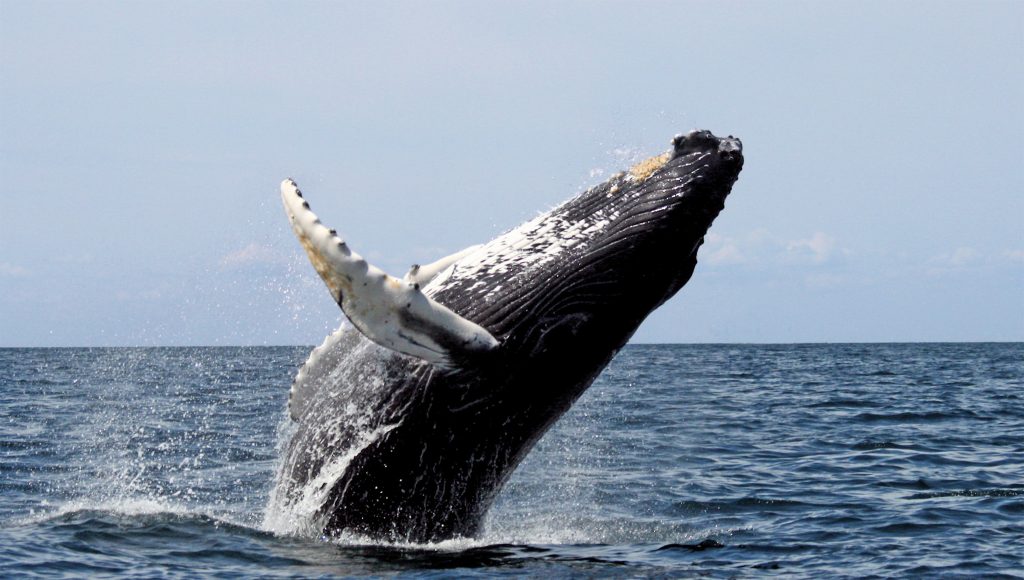
Following a major recovery and what is considered a conservation success story, Australia’s endangered or vulnerable species list will no longer include humpback whales. This decision issued by the Australian Ministry of Environment, stems from the analysis of an independent Threatened Species Scientific Committee which concluded that humpbacks’ recovery was strong enough to not be considered endangered […]