Dubai, 10 December 2023 – Climate change is already having catastrophic impacts on many migratory animals and their ability to provide vital ecosystem services to humanity according to a major new report of the Convention on the Conservation of Migratory Species of Wild Animals (CMS), a UN biodiversity treaty.
Released 10th December 2023 at the UN Climate Change Conference in Dubai (UNFCCC COP28), the report finds that the direct effects of climate change on many migratory species are already being seen, including poleward range shifts, changes in the timing of migration, and reduced breeding success and survival. Integral to the ecosystems they live in, migratory species support vital ecosystem services that both mitigate the impacts of climate change and increase the resilience to climatic hazards.
The study also emphasizes the urgent need to act now to help vulnerable migratory species adapt to a changing climate. Actions such as the establishment of comprehensive and well- connected networks of protected areas and other effective area-based conservation measures are crucial to support species movement in response to climate change, whilst direct human interventions, such as the translocation of vulnerable populations of species, will be needed in some cases.
Some of the key findings of the report include:
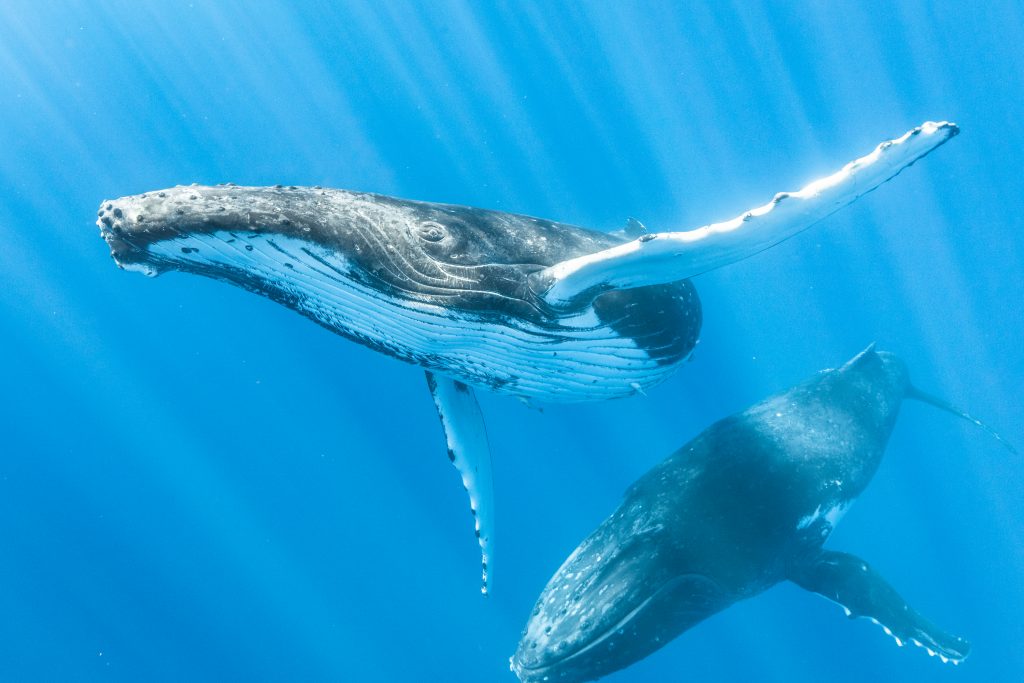
- Strong evidence that global increases in temperature have affected most migratory species groups, and these impacts are mostly negative. For instance, rising temperatures are causing changes in the reproduction and survival of krill and are having a negative impact on marine mammals and seabirds that rely on krill as a key food source.
- Strong evidence that climate change is impacting migratory species distribution and timing of migration. In particular, temperature increases are driving poleward range shifts and earlier migration and breeding. In some species, such as wading birds, there is a risk this will cause a mis-match between the timing of breeding and the time when prey species are most abundant.
- Changes in water availability are causing the loss of wetlands and reduced river flows, which are likely to particularly impact the migration of fish and waterbirds.
- Extreme climate-related events such as landslides are causing severe habitat destruction and have already been observed at some seabird breeding sites.
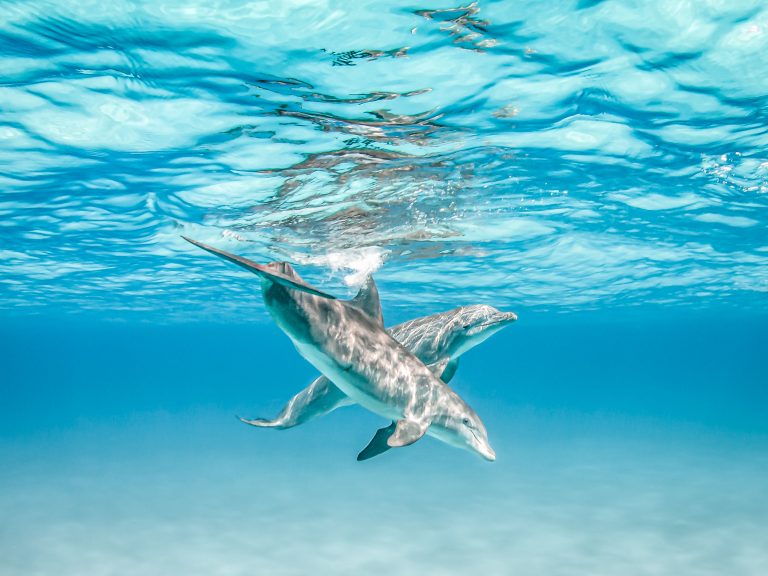
- There is strong evidence that migratory seabirds and marine mammals will be impacted by the changes in oceanic currents which are likely to alter the nature and functioning of many marine and terrestrial ecosystems.
The study ‘Climate change and migratory species: a review of impacts, conservation actions, indicators and ecosystem services’ was commissioned by the Government of the United Kingdom of Great Britain and Northern Ireland through the Joint Nature Conservation Committee (JNCC) as a major contribution to the work of CMS on climate change, and prepared by the British Trust for Ornithology (BTO).
“Nature underpins the very fabric of our lives – the ecosystems, food and water security upon which we all depend, as well as the health of our economies. The challenges that these migratory species face as a result of climate change are a powerful demonstration of the need for coordinated global action to protect our environment, which is why the UK is taking a leading role in efforts to restore nature, halt biodiversity loss and achieve our stretching targets to protect 30% of land and sea by 2030.”
Rt Hon Steve Barclay, Secretary of State for Environment, Food and Rural Affairs of the United Kingdom of Great Britain and Northern Ireland
Biodiversity is declining globally at unprecedented rates, and climate change is one of the major drivers of this crisis. In 2021, the world’s leading biodiversity and climate scientists jointly sounded the alarm, stating that biodiversity loss and climate change mutually reinforce each other and neither will be successfully resolved unless both are tackled together. The Kunming- Montreal Global Biodiversity Framework adopted last year recognizes that nature-based solutions are essential in the fight against climate change in its Target 8. The conservation of migratory species and their habitats is an important part of the solution to both the biodiversity and the climate change crises.
“Migratory species are finely tuned to the rhythms of our planet. They depend on a delicate balance, journeying vast distances to reach habitats specifically suited for their survival and reproduction. However, climate change is severely disrupting these critical paths, altering ecosystems and affecting the availability of resources. This disruption serves as a crucial red flag, highlighting the broader implications of climate change not just for these species, but for the interconnected web of life on Earth. This report underscores the need for immediate and concerted global action to mitigate these impacts and protect the future of migratory species.”
Amy Fraenkel, Executive Secretary of CMS
Migratory species are important for ecosystem function and climate change mitigation, especially when they form a significant part of an ecosystem or aggregate in large numbers at particular times of the year. Many migratory species are related to the movement and dispersal of seeds and nutrients. Large migratory species can contribute to climate change mitigation through the decomposition of their faeces, which locks carbon into the soil or seabed, as well as through more complex processes, such as maintaining trophic webs that protect forest or seagrass beds important for carbon sequestration. Migratory species can also contribute towards climate change adaptation by enhancing ecosystem resilience; for example, seabird guano increases the nutrients available for coral reef growth, which in turn reduces coastal erosion.
The impacts of climate change on migratory species underscore the need for countries to cooperate on actions to ensure their conservation. CMS provides a vehicle for such cooperation, addressing migratory species across their range. By conserving migratory species and their habitat under CMS, countries can also achieve win-win solutions and directly contribute to the goals and targets of the Kunming-Montreal Global Biodiversity Framework and the Paris Agreement on climate change.
“This report sets out robust scientific evidence that climate change is already having a significant impact on many species around the world that are dependent on migration for their survival. The clock is ticking on the future for many iconic species. We owe it to them to raise global awareness that solutions are possible, and call on governments to use this report to take action, seeking out nature based solutions that will help migratory species and that can reduce the impacts of climate change.”
Professor Colin Galbraith, Former Chair of JNCC and CMS COP-Appointed Councillor for Climate Change